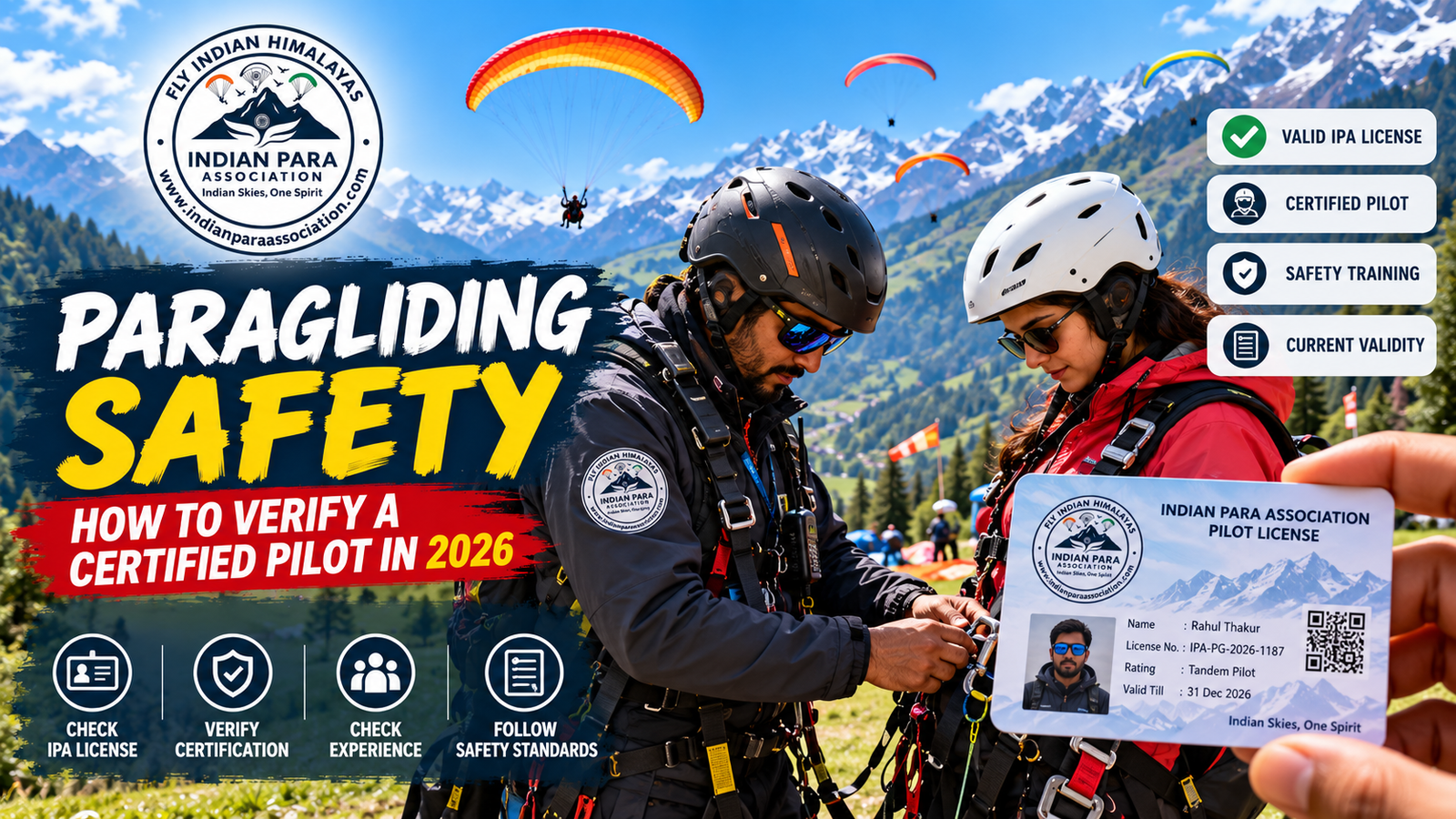
Paragliding Safety in Himachal: How to Verify a Certified Pilot Before You Fly
Every paragliding blog tells you to “check the pilot is certified.” Almost none tell you what that actually means or how to check it. This guide breaks down how pilot certification works in India, what the Indian Paragliding Association actually does, and the specific questions you can ask an operator in Solang Valley, Bir Billing, or anywhere else in Himachal before you hand over money.
What the Indian Paragliding Association Actually Does
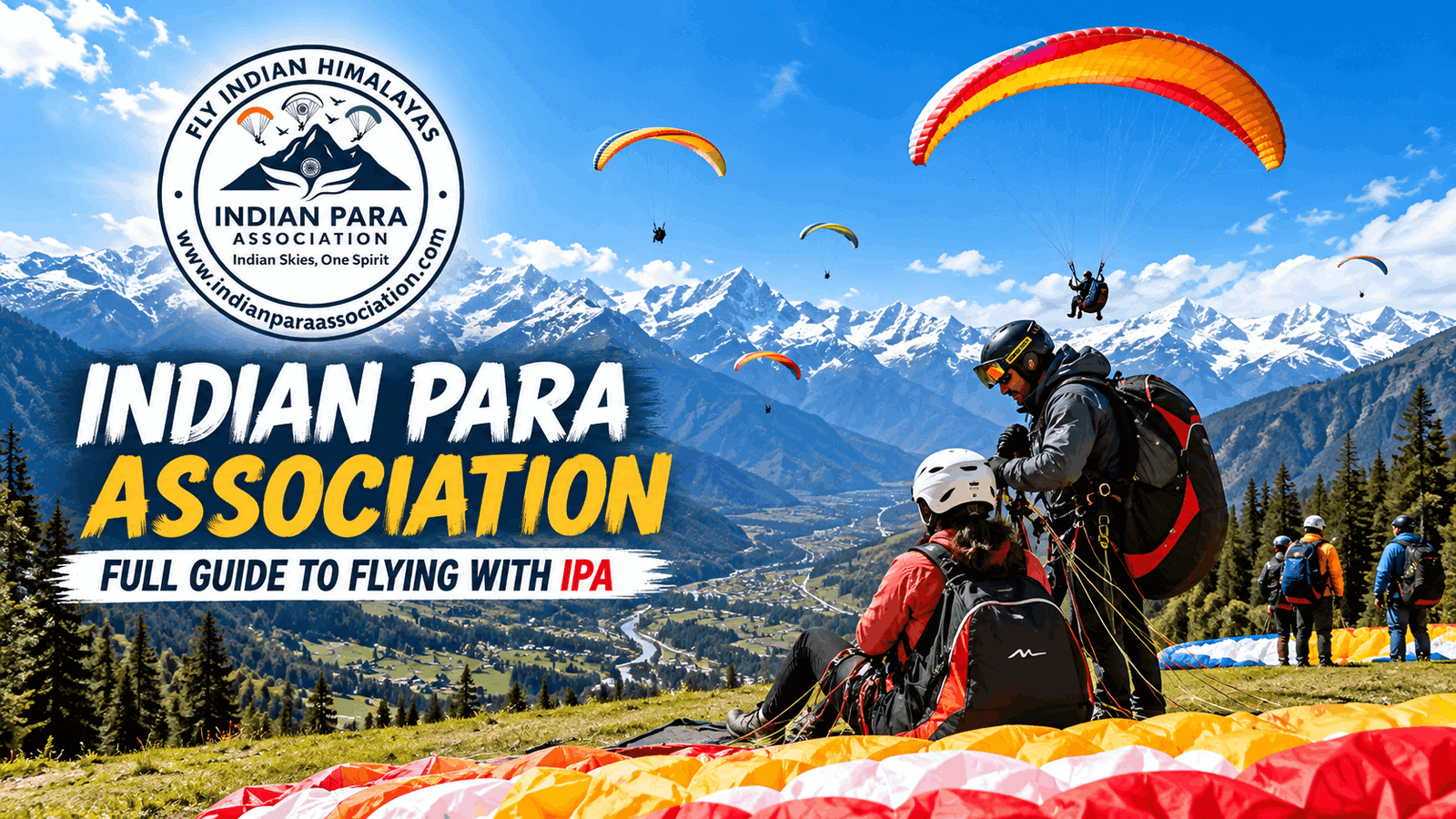
Paragliding in India isn’t a fully unregulated activity — there’s a governing structure behind it, even if most tourists never see it. The Indian Paragliding Association functions as a body that sets training standards, pilot rating systems, and safety benchmarks that operators across the country are expected to follow.
In practice, this means:
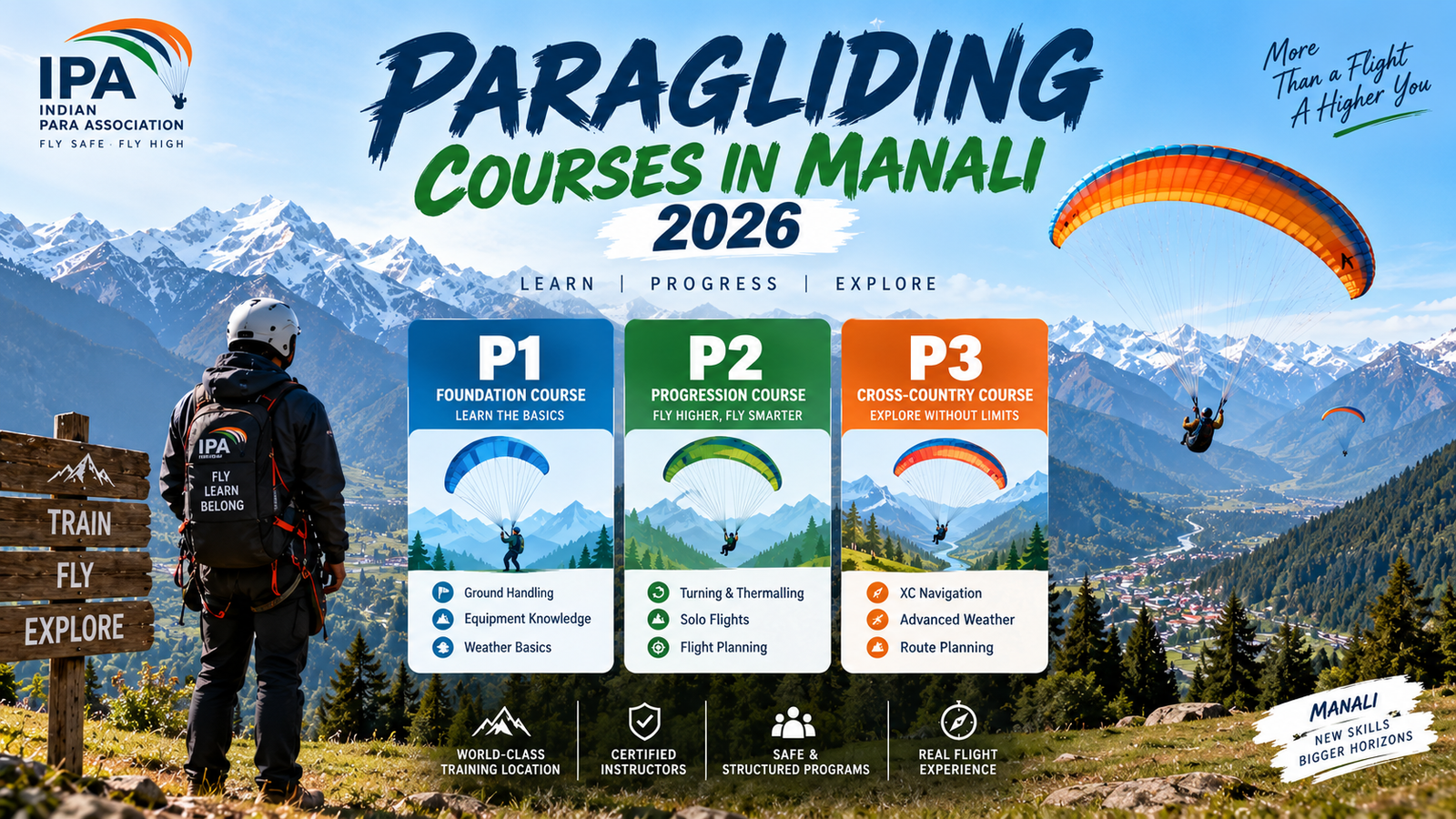
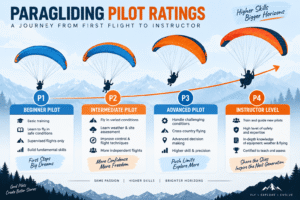
- Pilots are trained and rated through structured levels (commonly referred to as P1 through P4 in international paragliding rating systems)
- Safety and equipment standards are meant to be consistent across registered operators, not just left to individual vendors
- The association acts as a reference point for what “certified” is actually supposed to mean, rather than it being a vague marketing term
Why “Certified Pilot” Gets Thrown Around Loosely
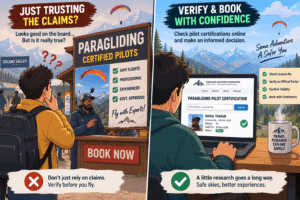
Here’s the uncomfortable part most travel blogs skip: in high-tourist-traffic valleys like Solang, “certified pilot” is sometimes used as a sales phrase rather than a verified fact. A tourist has no easy way to independently confirm a claim on the spot — which is exactly why understanding what certification is supposed to look like matters before you’re standing at tpointyour harness already on.
Practical Questions to Ask Before You Fly
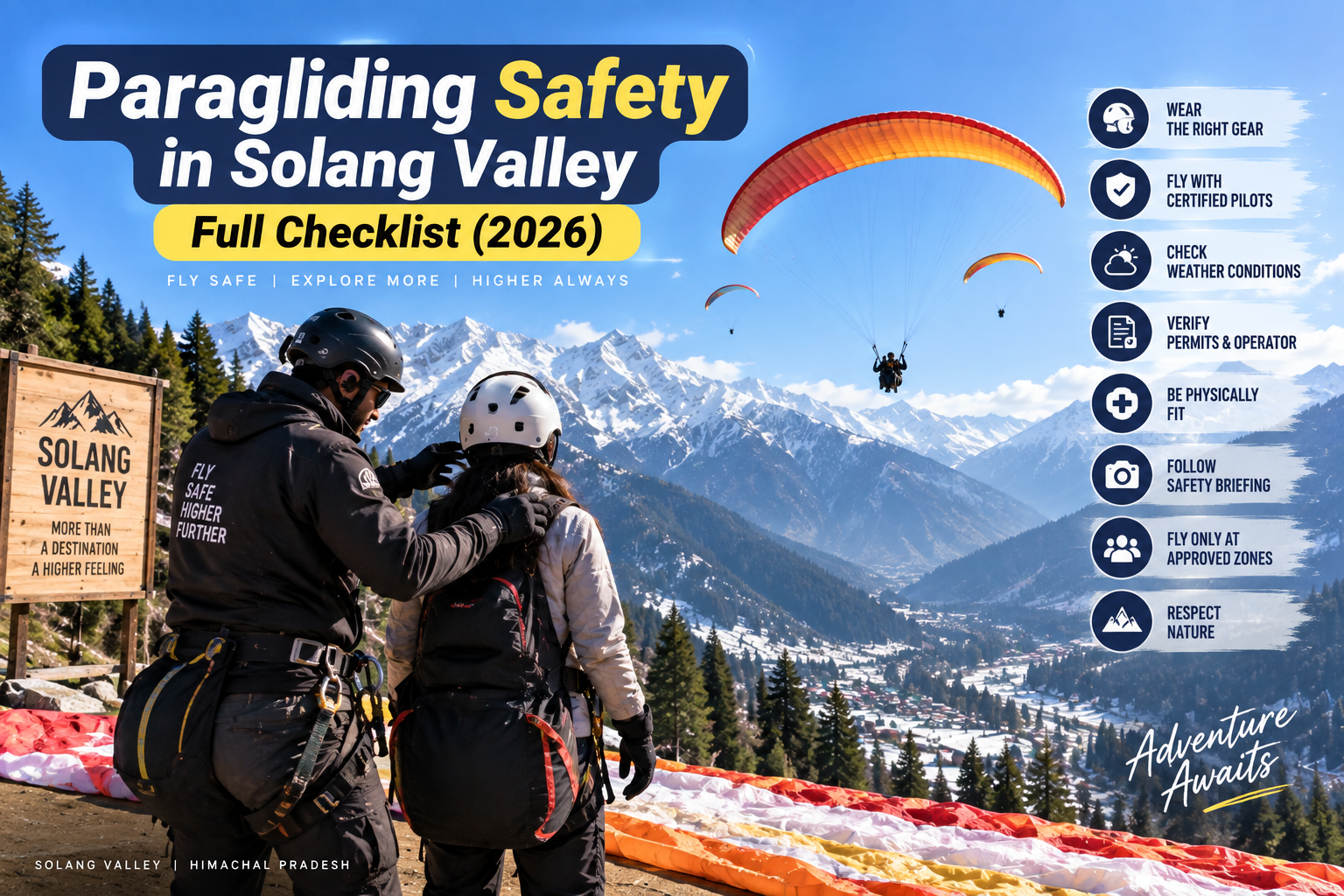
Since most tourists can’t run a formal license check on the spot, the next best thing is asking direct questions that a genuinely certified pilot or legitimate operator will answer without hesitation:
- “What rating level is my pilot certified at?”
- “How many tandem flights has this pilot completed?”
- “Is the equipment inspected on a set schedule, and when was the last check?”
- “What’s your policy if wind conditions look borderline — do you delay or fly anyway?”
A pilot or operator who answers these clearly and specifically is a better sign than one who responds only with “don’t worry, it’s totally safe.”
Weather and Judgment Matter as Much as Certification
A certified pilot who flies in bad conditions to avoid disappointing a paying customer is a bigger risk than an uncertified one who refuses to fly in good conditions — certification tells you about training, not about the specific decision being made on a given day. If a pilot delays or cancels your flight due to wind, fog, or visibility, that’s generally a sign of good judgment, not poor service.
This Applies Beyond Solang Valley Too
While Solang Valley is Himachal’s most visited paragliding spot, the same certification questions apply at Bir Billing, Kullu, and other launch sites across the state. Certification standards aren’t location-specific — they’re pilot-specific, so the same checks are worth applying no matter which valley you’re flying over.
Frequently Asked Questions
Q: What does P1 to P4 mean in paragliding certification? A: These are internationally recognized skill levels, from P1 (beginner, supervised flights) to P4 (advanced, often instructor-level). Tandem pilots flying tourists are generally expected to hold higher-level ratings given they’re responsible for a passenger.
Q: Can I check a pilot’s certification myself before flying? A: There’s no universal public database tourists can search on the spot, which is why asking direct questions to the operator — and checking if their claims match standards set by bodies like the Indian Paragliding Association — is the most practical approach.
Q: Is paragliding in Himachal generally safe? A: Paragliding carries inherent risk like any adventure sport, but choosing operators who follow structured certification and equipment standards significantly reduces that risk compared to unregulated, informal setups.
Q: Should I cancel my flight if the pilot suggests delaying due to weather? A: Yes. A pilot delaying for weather is a sign of good judgment, not poor service — flying in marginal conditions to avoid disappointing tourists is a bigger red flag than a cautious delay. If you’re planning your trip through a travel service, it’s worth asking in advance how they handle weather-related activity delays — HimachalTripExpert itineraries typically build in buffer time for exactly this reason.